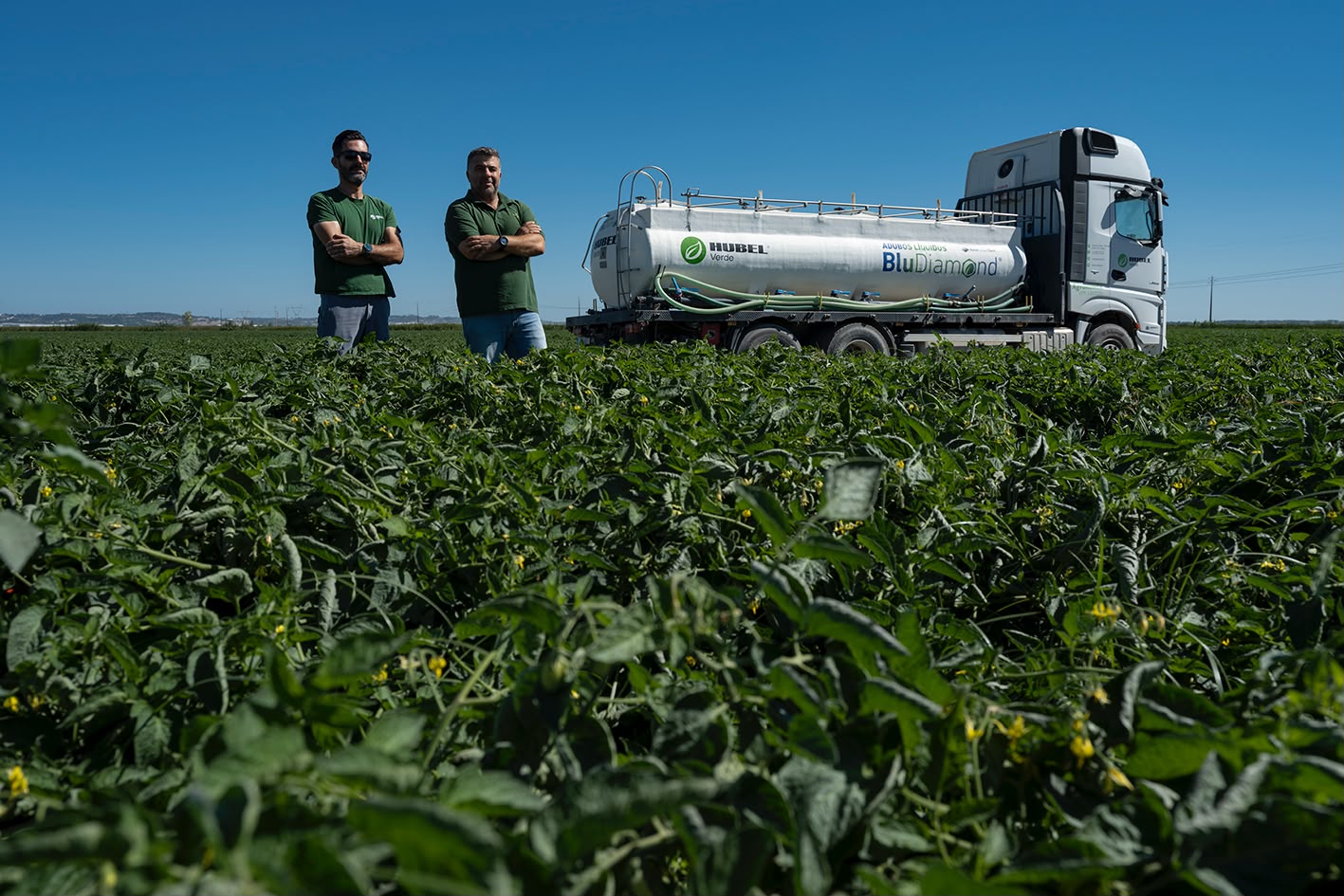
Sap analyses allow for real-time evaluation of the crop's nutritional status, providing accurate information about the nutrients that are effectively available and circulating in the plant.
Unlike other diagnostic tools, sap analysis allows for the identification of nutritional imbalances at an early stage, enabling quicker interventions tailored to the crop's needs.
Every crop is unique.
Your strategy should be too.
Our agronomists work with you to develop strategies tailored to your crops and your operation's specific needs.
What does a sap analysis evaluate?
Sap analysis allows for the monitoring of essential nutrients such as:
- Nitrogen (N)
- Phosphorus (P)
- Potassium (K)
- Calcium (Ca)
- Magnesium (Mg)
- Sulfur (S)
- Micronutrients such as Iron, Zinc, Manganese, Boron, and Copper
This information helps to optimize fertigation and plant nutrition strategies throughout the growing cycle.
How is the collection carried out?
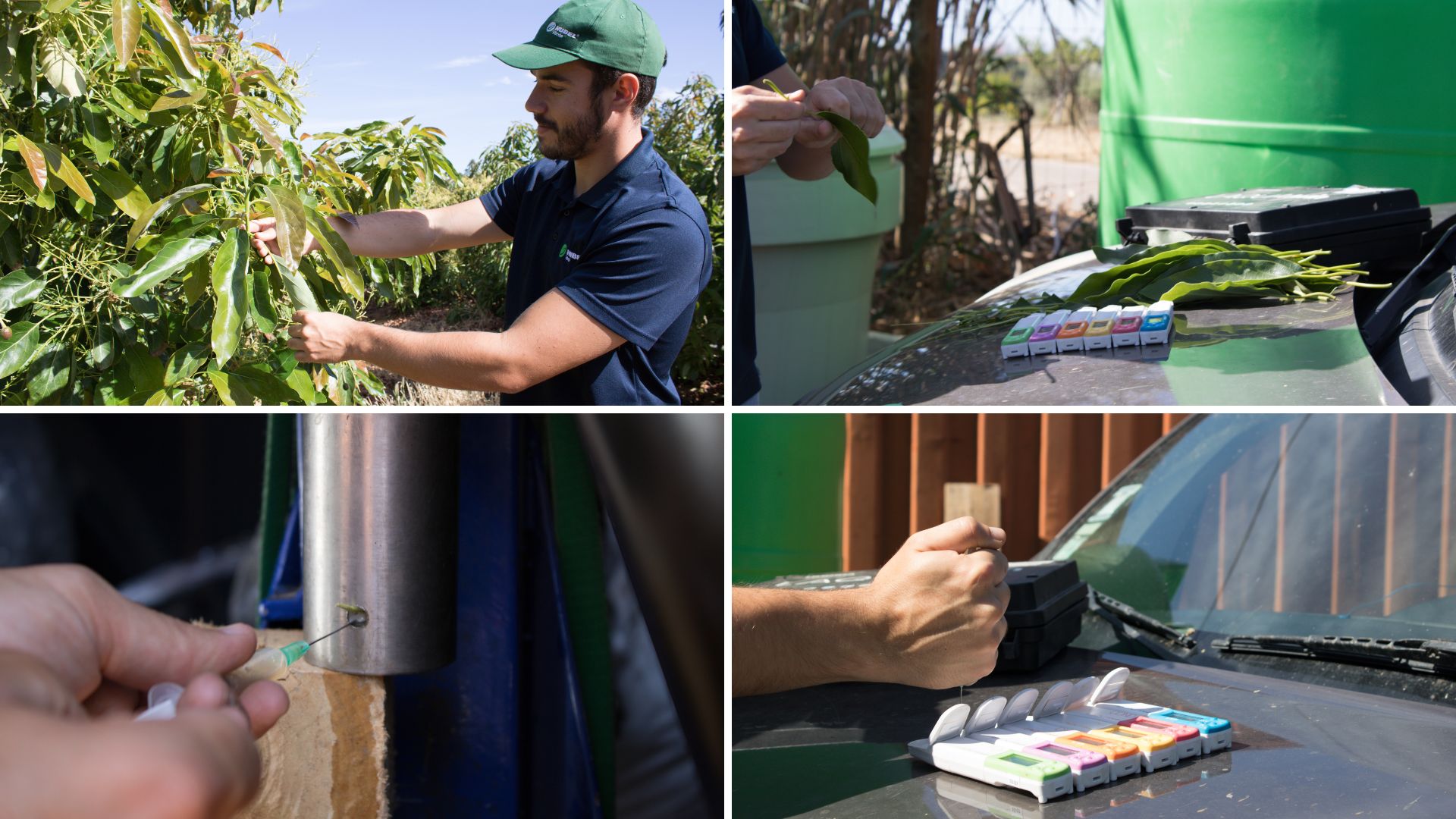
The quality of the results directly depends on the correct collection of the sample.
The process includes:
- Selection of representative plants from the plot.
- Collection of leaves or petioles according to the crop protocol.
- Proper conservation of the sample.
- Sending to an accredited laboratory.
- Technical interpretation of the results.
The Hubel Verde team monitors the entire process to ensure the reliability of the obtained data.
How to interpret the results?
The results are analyzed by our specialized technicians, who evaluate:
- Absolute levels of each nutrient;
- Nutrient relationships;
- Trends in evolution throughout the campaign;
- Possible limitations to productivity;
- Needs for immediate or preventive correction.
More important than analyzing an isolated value is understanding the overall nutritional balance of the crop.
From analysis to technical recommendation
Each report is accompanied by an agronomic interpretation and recommendations tailored to the reality of the farm.
Based on the results, it is possible to:
- Adjust fertigation programs;
- Correct nutritional deficiencies;
- Avoid excess fertilization;
- Improve nutrient absorption efficiency;
- Support technical decisions at critical moments of the production cycle.
The goal is not just to generate data, but to transform it into agronomic decisions with an impact in the field.
Example of a report
A typical report includes:
- Identification of the farm and plot;
- Crop and phenological stage;
- Analytical results;
- Comparison with reference values;
- Identification of nutritional imbalances;
- Customized technical recommendations;
- History of previous analyses (when applicable).
- Talk to our team
We aim to define the most suitable strategy for your crop, talk to the technical team at Hubel Verde and find out how we can help you.
Contact us
Do you have a question or need support for your crop? Send us your request and we will get in touch.