Soil microbiome: understanding, to make better decisions
Technical Recommendation for March
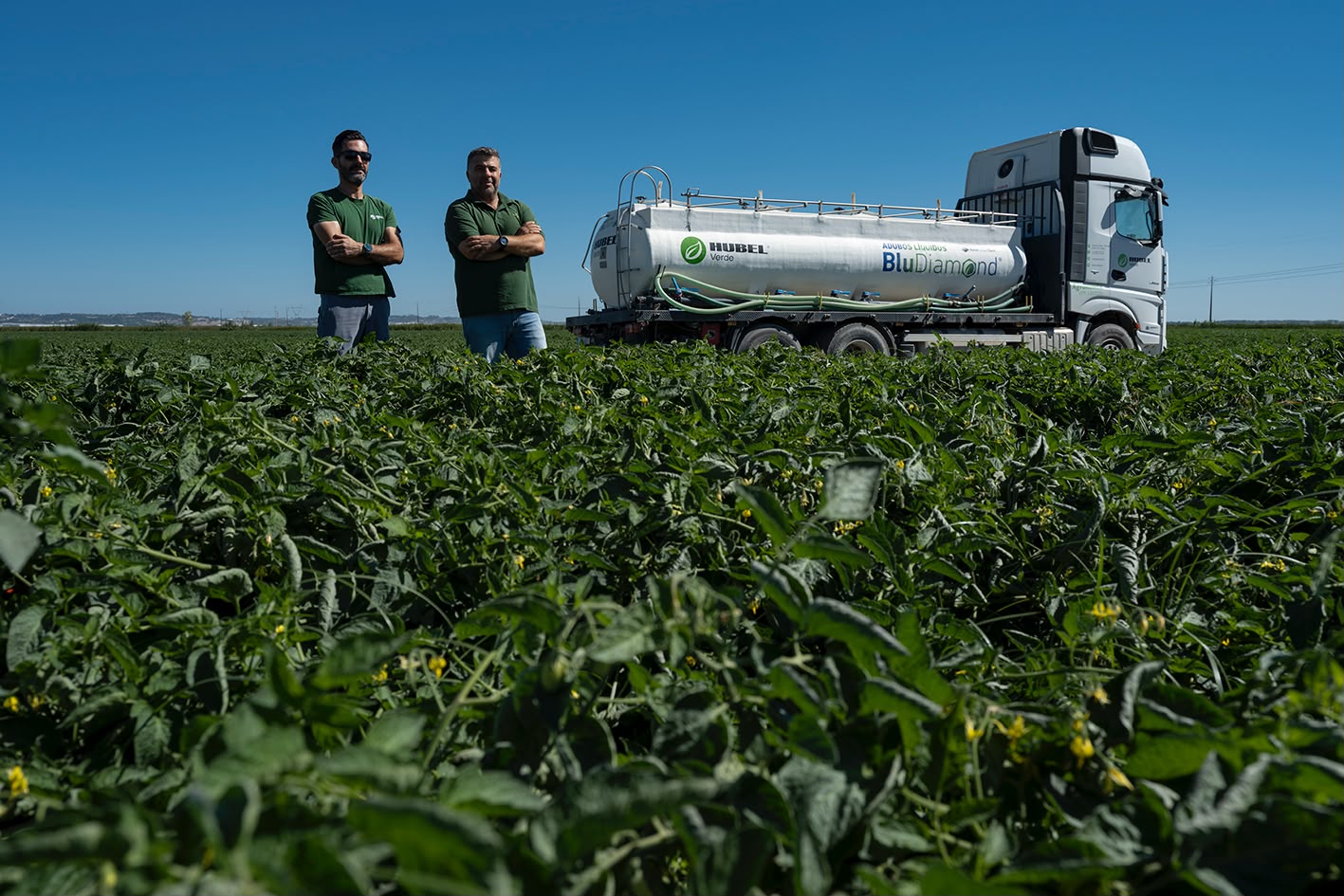
Nuno Gonçalves, technical and sales consultant at Hubel Verde in the Santarém region, authored the March Recommendation by Hubel Verde, which focuses on one of the pillars of modern fertility: the soil microbiome.
For decades, agricultural management relied primarily on physical and chemical analyses. Today we know that this approach, on its own, is insufficient. Soil is a biologically active system, and ignoring its microbial component can compromise nutrient efficiency, increase pressure from root pathogens, and limit crop yield potential.
Each crop is unique.
The strategy should be too.
Our agronomists will work with you to develop strategies tailored to the needs
of your farm.
Biological information: a new level of diagnosis
Advances in agriculture have led to the development of tools that allow us to assess not only pH, phosphorus, and organic matter, but also the functional state of the soil microbiome.
“We should begin the growing season with as much information as possible—physical, chemical, and biological”, emphasizes Nuno Gonçalves.
Biological soil analysis makes it possible to identify imbalances in the microbiome and adjust agronomic strategies with greater technical precision and economic efficiency.
Soil microbiome: functional balance and productivity
The soil hosts highly diverse microbial communities — bacteria, fungi, and other microorganisms that interact with each other and with plant roots.
These communities regulate fundamental processes such as:
- Nutrient recycling;
- Biological nitrogen fixation;
- Phosphorus solubilization;
- Improvement of soil structure;
- Indirect protection of the root system.
“Creating conditions that allow beneficial microorganisms to thrive is now a strategic agronomic decision”, explains the consultant.
When the system is balanced, the soil functions more efficiently. When that functionality is compromised, dependence on external inputs increases and technical maneuvering margins decrease.
Biological analysis of the soil: from diagnosis to decision
At Hubel Verde, microbiome management begins with diagnosis. Conducting biological analyses makes it possible to assess the functional state of the soil microbial community and identify imbalances before they result in yield losses.
Nuno notes that “without a biological diagnosis, we are making decisions based on only part of the information”.
Soil microbiome analysis allows:
- to assess overall microbial activity;
- to identify functional dominances or deficiencies;
- to cross biological data with physicochemical parameters;
- to adjust fertilization, biocontrol, and bio-stimulation strategies.
This approach makes it possible to move from reactive interventions to more informed and preventive technical decisions.
Technical intervention: selected microorganisms
The management of the microbiome can include the targeted application of microorganisms with specific functions, integrated into a technical strategy adjusted to the reality of each farm.
Trichosym Bio : root-based biological control
Formulated with Trichoderma harzianum (strain T78), Trichosym Bio works by competing for space and nutrients, through mycoparasitism, and by producing antifungal compounds.
“With Trichosym Bio, we aim to reduce the pressure from pathogenic fungi in the soil and protect the root system during the early stages of the crop.”
Its application helps to reduce the incidence of soil fungi and promote root vigor, especially in the early stages of development.
MycoUp : expanding root system development
MycoUp, which is derived from Glomus iranicum var. tenuihypharum, promotes the formation of arbuscular mycorrhizae.
“When we promote mycorrhizal colonization, we increase the effective area of root exploration.”
This symbiosis improves the uptake of phosphorus, micronutrients, and water, increases water use efficiency, and helps crops better tolerate stressful conditions.
VitaSoil : biological activation of the rhizosphere
VitaSoil, which consists of rhizosphere bacteria such as Azotobacter spp. and Azospirillum spp., helps enhance the soil's biological fertility.
“Biologically activating the rhizosphere improves nutrient use efficiency and promotes more balanced growth.”
Its action includes biological nitrogen fixation, phosphorus solubilization, and stimulation of soil microbial activity, favoring greater functionality of the rhizosphere.
Soil microbiome: decisions based on knowledge
Integrating the biological dimension into soil diagnosis is now a natural evolution of modern agriculture. Understanding the microbiome allows for better interpretation of the actual fertility of the soil, adjustment of technical interventions, and improvement of the efficiency of production systems.
Diagnosing, interpreting, and intervening judiciously - this approach is what supports more functional soils and more resilient crops.
If you wish to incorporate biological soil analysis into your agricultural strategy, the Hubel Verde team is available to assist and tailor solutions to the specific needs of your farm.
Contact us
Do you have a question or need support for your crop? Send us your request and we will get in touch.